
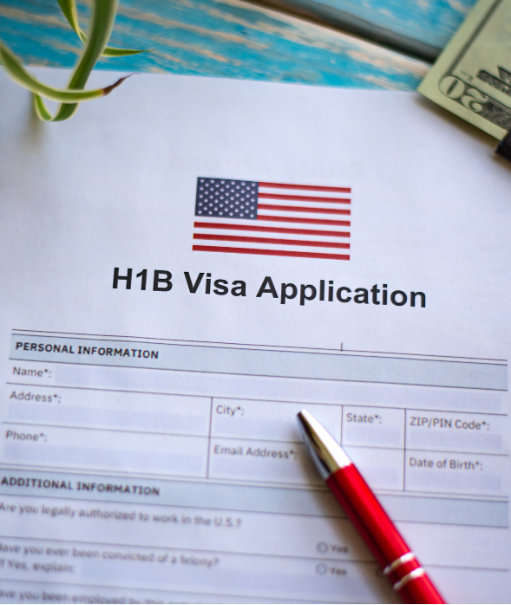
On September 19, 2025, the White House issued a sweeping new policy: employers filing new H-1B visa petitions after September 21 must pay a $100,000 fee per petition, dramatically higher than existing costs. This bold move signals a sharp pivot in U.S. immigration enforcement, with broad implications for talent acquisition strategies.
What the Fee Change Covers — and Doesn’t
- This one-time $100,000 fee is only for new H-1B petitions, not renewals or extensions.
- It does not affect current H-1B visa holders or those whose petitions were filed before September 21, 2025.
- Applicants outside the U.S. must pay it at the time of filing, though certain case-by-case exemptions may apply in the “national interest.”
- Additional measures mandate higher prevailing wages, stricter oversight, and more rigorous compliance documentation.
Why the Increase?
The Administration frames the hike as a tool to reduce reliance on foreign talent, and push companies to hire and train U.S. workers instead. It also seeks to “upsell” the H-1B program toward only the highest skilled, highest paid foreign workers.
What Employers Should Do Now
- Reevaluate hiring plans: Consider domestic recruitment or job redesign to avoid H-1B dependence.
- Explore alternate visa pathways: Categories like O-1, EB-1, or EB-2 may remain viable—though each has its own eligibility rules.
- Document potential exemptions: If your business has national security, research, or critical STEM roles, you may qualify for relief.
- Budget early: The $100,000 outlay plus increased wages will impact cash flow and offers.
- Engage immigration counsel: With regulatory guidance and litigation likely to follow, expert counsel is essential.
If you have questions about how these changes could affect your hiring or visa planning, HR Synergy can help you navigate the new requirements and keep your business compliant.
Source: USCIS