
EEOC and Justice Department Warn Against Unlawful DEI-Related Discrimination
March 19, 2025: Employers’ DEI Policies, Programs, and Practices Can Violate Title VII of the Civil Rights Act of 1964. Read more.
March 19, 2025: Employers’ DEI Policies, Programs, and Practices Can Violate Title VII of the Civil Rights Act of 1964. Read more.
Navigating the Family and Medical Leave Act (FMLA) can be complex, especially when handling intermittent or reduced-schedule leaves.
Employers frequently make mistakes that lead to compliance violations:
Many of these errors stem from inadequate manager training and failure to recognize FMLA-qualifying leave requests.
Key Compliance Strategies:
Employers who implement structured FMLA procedures and provide ongoing training can minimize compliance risks while fostering a supportive workplace.
 APRIL Calendar
April is National Volunteer Month.
| April 1 | April Fool’s Day |
| April 12-20 | Passover |
| April 15 | Tax Day
Form 8928 due Form 7004 due |
| April 20 | Easter |
| April 22 | Earth Day |
| April 23 | Administrative Professionals Day |
| April 25 | Take Your Daughter/Son to Work Day |
| April 30 | Quarterly Forms 720 and 941 due |
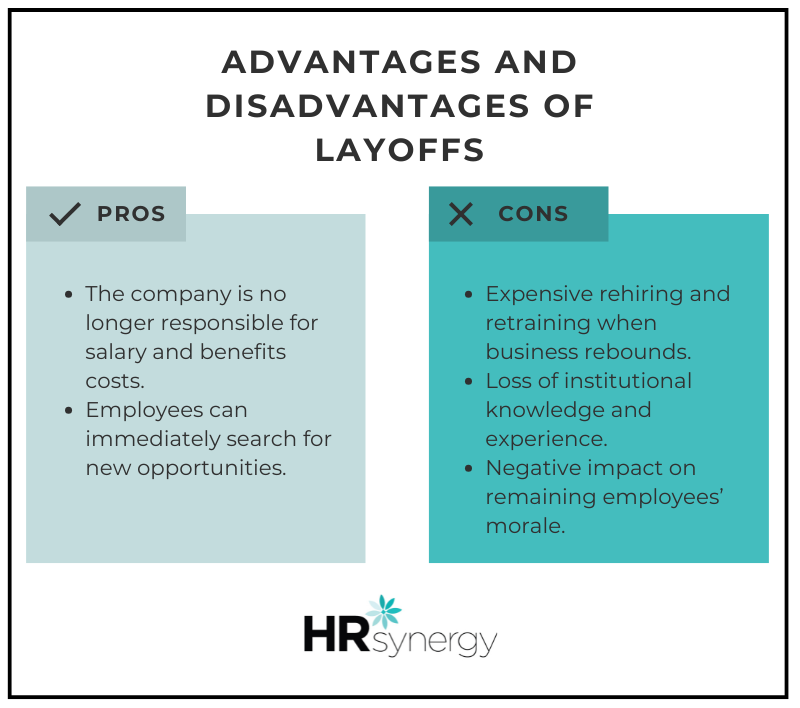
No company is immune to financial hardships. Economic downturns, unexpected crises like the COVID-19 pandemic, or shifts in industry demand can force employers to make tough decisions about their workforce. Two common cost-saving strategies are furloughs and layoffs—but while they may seem similar, they have significantly different implications for employees and businesses alike.
Before finding yourself in a position where such decisions must be made, it’s crucial to understand these differences to make informed and compassionate choices.

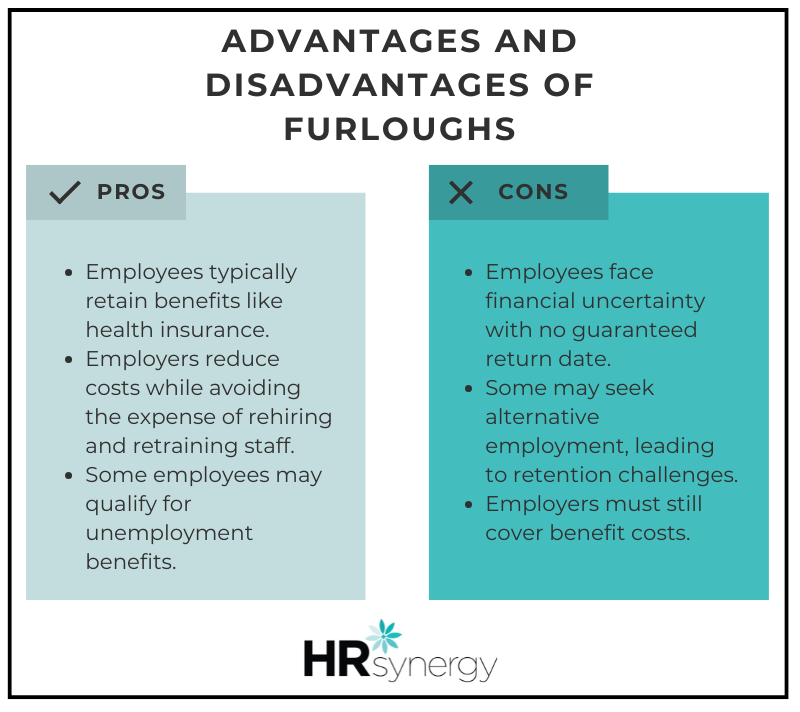
Best Practices for Managing a Furlough
Furlough regulations vary by state, so it’s essential to consult with your company’s legal counsel to ensure compliance with relevant laws. Additionally, while both exempt and non-exempt employees can be furloughed, the process differs based on their classification.
Understanding Furloughs for Hourly and Salaried Employees
Hourly (Non-Exempt) Employees: Employers can reduce hours or implement a zero-hour schedule without terminating employment. This was commonly used during the pandemic to retain staff without layoffs.
Salaried (Exempt) Employees: Instead of reducing hours, employers may temporarily cut pay or enforce a full furlough. These employees cannot legally perform any work, even small tasks like emails, without requiring full-day compensation.
Furloughs help businesses manage costs while retaining employees, but they must follow legal guidelines for each worker type.
Best Practices for Managing Layoffs
Final Thoughts
Both furloughs and layoffs can be difficult decisions, but when managed thoughtfully, they can minimize long-term damage to both employees and the organization. Whether you’re an HR leader or an executive making these tough calls, clear communication, legal compliance, and a commitment to employee well-being are key to navigating workforce changes effectively.
Employee detachment is on the rise. Many are holding on by a thread, disengaged from their work yet hesitant to leave. Gallup researchers have dubbed this phenomenon the Great Detachment, and as HR professionals and leaders, you’ve likely witnessed its impact firsthand.
A disengaged workforce doesn’t just affect morale—it erodes productivity, innovation, and ultimately, retention. 79% of employees report feeling work detachment. 56% of employees who reported often feeling lonely at work also say their productivity is negatively impacted by this loneliness. So, how can organizations break the cycle? Here are eight critical steps to reconnect and re-engage employees before detachment turns into departure.

Engagement begins with conversation. Frequent, meaningful check-ins help leaders understand why employees feel detached and what support they need to feel connected. Try asking:
By fostering transparent, empathetic communication, leaders create a culture where employees feel valued and heard.
One-off check-ins aren’t enough. Companies need a structured approach to consistently gather and act on employee feedback.
Listening isn’t just about collecting data—it’s about acting on it to make meaningful change and connection.
Employees stay engaged when they see a future within the organization. A clear career development path, paired with ongoing training, mentorship, and skill-building opportunities, keeps employees motivated and invested in their roles. Once again, this step helps employees feel connected.
A staggering 78% of employees report that recognition impacts their motivation at work, yet only 22% feel they receive enough. Simple, genuine appreciation—from a quick thank-you to public acknowledgment—goes a long way in boosting connection and morale.
People aren’t just employees; they’re individuals with lives outside of work. Celebrate personal milestones—whether it’s running a marathon, buying a home, or welcoming a new family member. This reinforces that employees are valued not just for their work but for who they are and makes them feel connected.
Disengagement often stems from a lack of clarity. Employees need to see how their work contributes to the bigger picture. Help them connect the dots.
Managers play a critical role in engagement and connection, yet many are expected to lead without proper support. Invest in their development by providing training, resources, and authority to drive team engagement effectively.
Money isn’t everything—but it matters. To feel reconnected to work, employees want:
Fair compensation and reasonable workloads lay the foundation for a motivated workforce.
Workplace detachment is a real and pressing challenge. But organizations that take proactive steps to engage employees—through meaningful check-ins, recognition, career development, and fair compensation—will not only retain talent but create a thriving, committed workforce. The best way to counter detachment is by fostering meaningful connections-between employees and their colleagues, their managers, their career paths, recognition, work-life balance, and compensation.
The time to act is now. Engagement isn’t just a nice-to-have; it’s the key to long-term business success.
Reach out to us at HR Synergy with Questions.
All Massachusetts employers, including those with private or self-insured benefits plans, must provide specific information to their employees in compliance with the Paid Family and Medical Leave (PFML) law.
Poster Requirement
2025 PFML mandatory workplace poster
Employee and Self-Employed Notices
Rate Sheets
2025 Rate sheet for employers with 25 or more covered individuals
2025 Rate sheet for employers with less than 25 covered individuals
U.S. Immigration and Customs Enforcement (ICE) conducts workplace visits as part of its efforts to enforce immigration laws, specifically targeting businesses that may be employing undocumented workers. These visits are often part of worksite enforcement operations, where ICE officers check employee documentation and compliance with immigration laws.
Recent workplace enforcement actions have been particularly heightened as part of broader immigration enforcement priorities.
Workplace visits can involve:
Now is a good time to conduct an internal audit of your employees’ I-9s to ensure that they are in order in case you are subject to an ICE audit.
For additional information or guidance, please give us a call at (603) 261 – 2402 or send us an email at [email protected].
What To Do To Prepare For an Immigration (ICE) Workplace Visit Checklist

HR professionals today face one of the most intricate compensation landscapes in history. We at HR Synergy are receiving lots of requests for compensation analysis, including from nonprofit organizations. We have your compensation analysis covered, and we know the differences needed when analyzing nonprofits versus for-profit organizations. Reach out to us today!
Read more to understand why generating a compensation analysis is vital in this competitive climate. With evolving pay transparency and pay equity laws, the rise of skills-based compensation, and the increasing use of geography-based pay practices, human resources and compensation practitioners require more accurate and up-to-date compensation data than ever before.
Making competitive pay decisions that ATTRACT and RETAIN top talent amid these complexities necessitates compensation management software that can track market pay trends, diagnose pay equity disparities, and inform talent strategy. However, not all compensation analytics software is created equal.
With a growing number of planning, benchmarking, and pay equity tools—we must develop a solid strategy to distinguish truly effective solutions from subpar options.
The Power of Compensation Benchmarking Tools
One of the most critical resources for setting competitive pay levels is compensation benchmarking platforms. Historically, HR professionals have relied on annual salary surveys from industry consultants to gauge market pay trends. However, modern tools offer more timely and accurate data to keep pace with rapid market shifts.
One crucial factor when selecting benchmarking software is how frequently an organization will need to access pay data. As some of the software products are quite expensive, it might be more cost-effective to consult with HR Synergy. We have up-to-date tools to support your organization.
Additionally, benchmarking tools should offer data relevant to an organization’s competitive landscape, including industry, company size, operational goals, and funding stage. While traditional salary surveys remain useful, their infrequent updates—often annual—can make them less effective in a rapidly changing job market. At minimum you want tools to update quarterly. The platforms HR Synergy uses update every 6 WEEKS!
To comply with evolving regulations and promote fair pay practices, HR professionals are increasingly investing in pay equity software. HR Synergy uses pay equity software for our analysis. It is important to realize that you cannot just use job titles for compensation comparison, because actual roles may not be comparable. Top pay equity software must go beyond job titles and assess roles based on duties and responsibilities. This ensures employees performing similar work receive fair compensation, while accounting for legitimate differences such as experience and training.
Staying Ahead of Compensation Trends
According to Payscale’s 2024 Compensation Best Practices study, 60% of organizations now publish pay ranges in job postings, up from 45% in 2023. Salary transparency is increasing even in states without related legislation as organizations recognize its benefits in attracting and retaining talent.
The study also highlights the growing influence of skills-based compensation models. One-third of respondents reported they no longer require a degree for salaried positions, and nearly half (45%) said education is no longer a compensable factor.
The shift to remote work has also impacted compensation practices. About half of organizations now use geography-based pay strategies, setting salaries according to market conditions in locations where they maintain offices.
Additionally, it is vital to educate your managers how compensation is determined. If managers are informed, then they can accurately answer questions from employees regarding compensation.
Conclusion
As compensation structures become more intricate, utilizing advanced analytics tools is now indispensable for HR professionals. At HR Synergy, we focus on precision, timely data updates, and alignment with evolving talent strategies when selecting benchmarking software, pay equity tools, and comprehensive compensation management platforms. By investing in the most effective solutions for your compensation analysis, HR Synergy empowers your organization to make well-informed decisions that foster fair, competitive, and strategic compensation practices.
Contact us to learn more about how we can compile your compensation analysis.
Read more from our COMPENSATION SERIES:
Is Your Compensation Package Marketable?
The Paycheck Playbook: Key Compensation Trends Shaping 2025
Cracking the Compensation Code: How HR Synergy Can Help
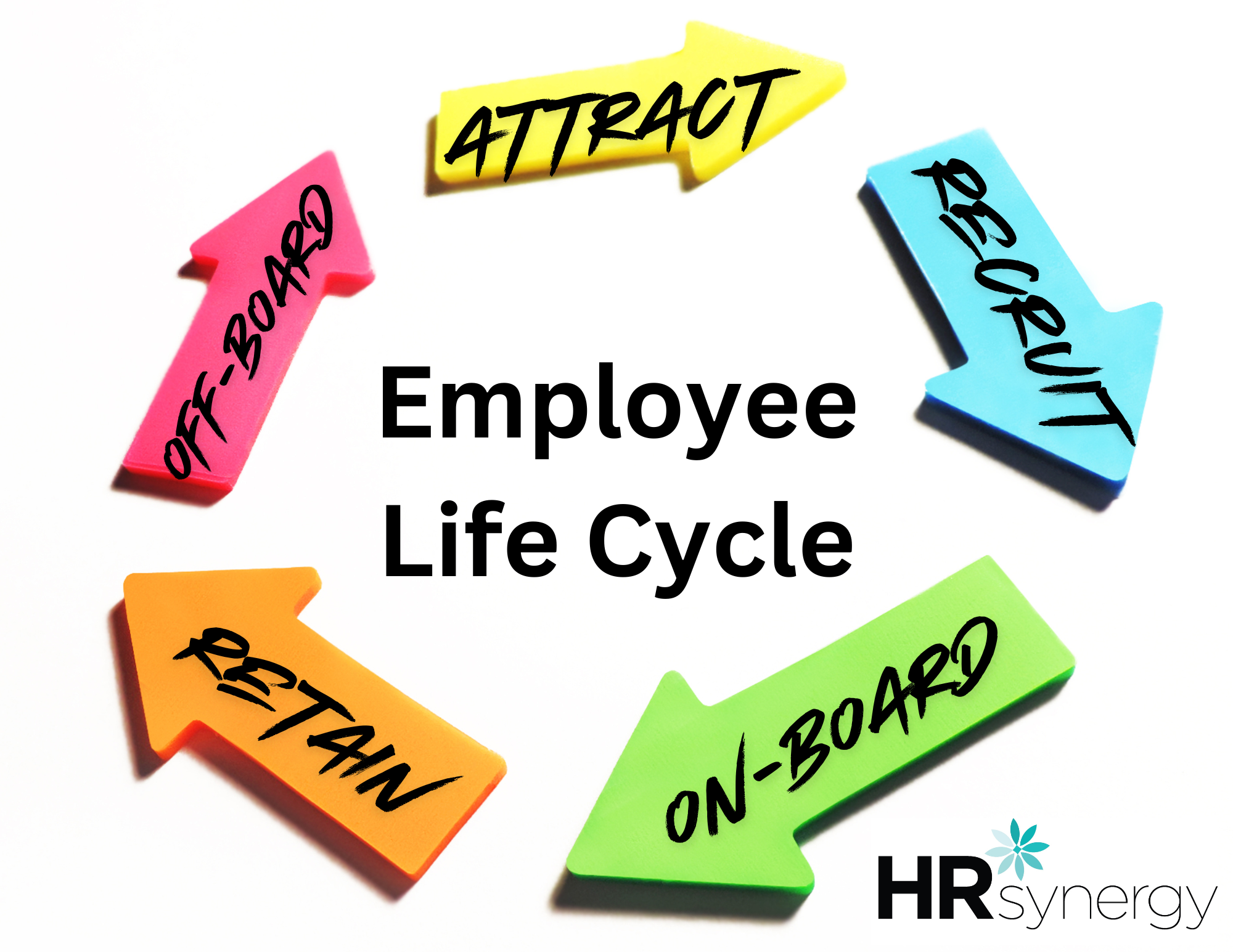 Read more from our previous series -THE EMPLOYEE LIFE CYCLE:
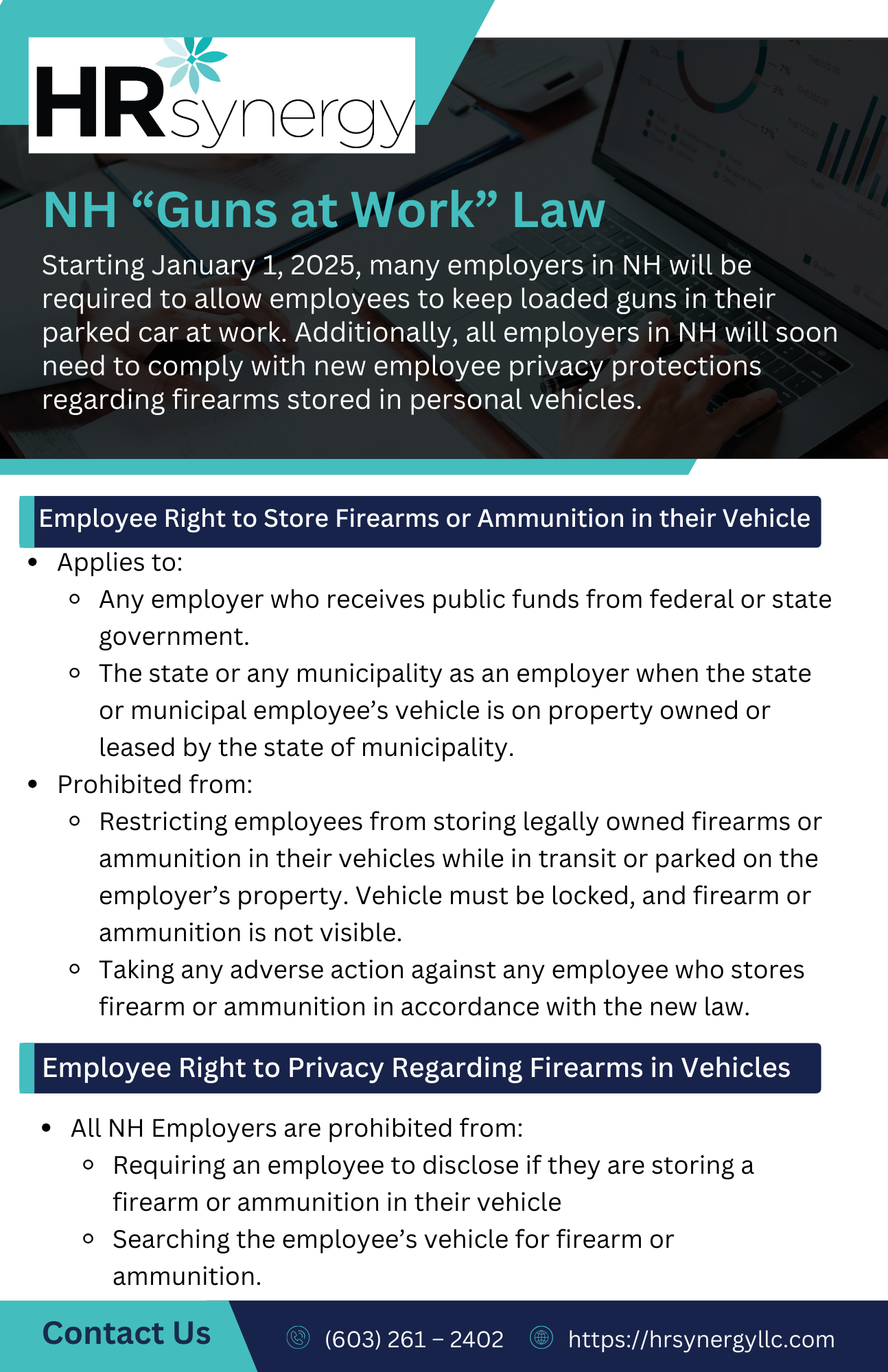 Many employers in NH will be required to allow employees to keep loaded guns in their parked car at work. Additionally, all employers in NH will soon need to comply with new employee privacy protections regarding firearms stored in personal vehicles. See attached for more information and don’t hesitate to contact us with any questions you may have.
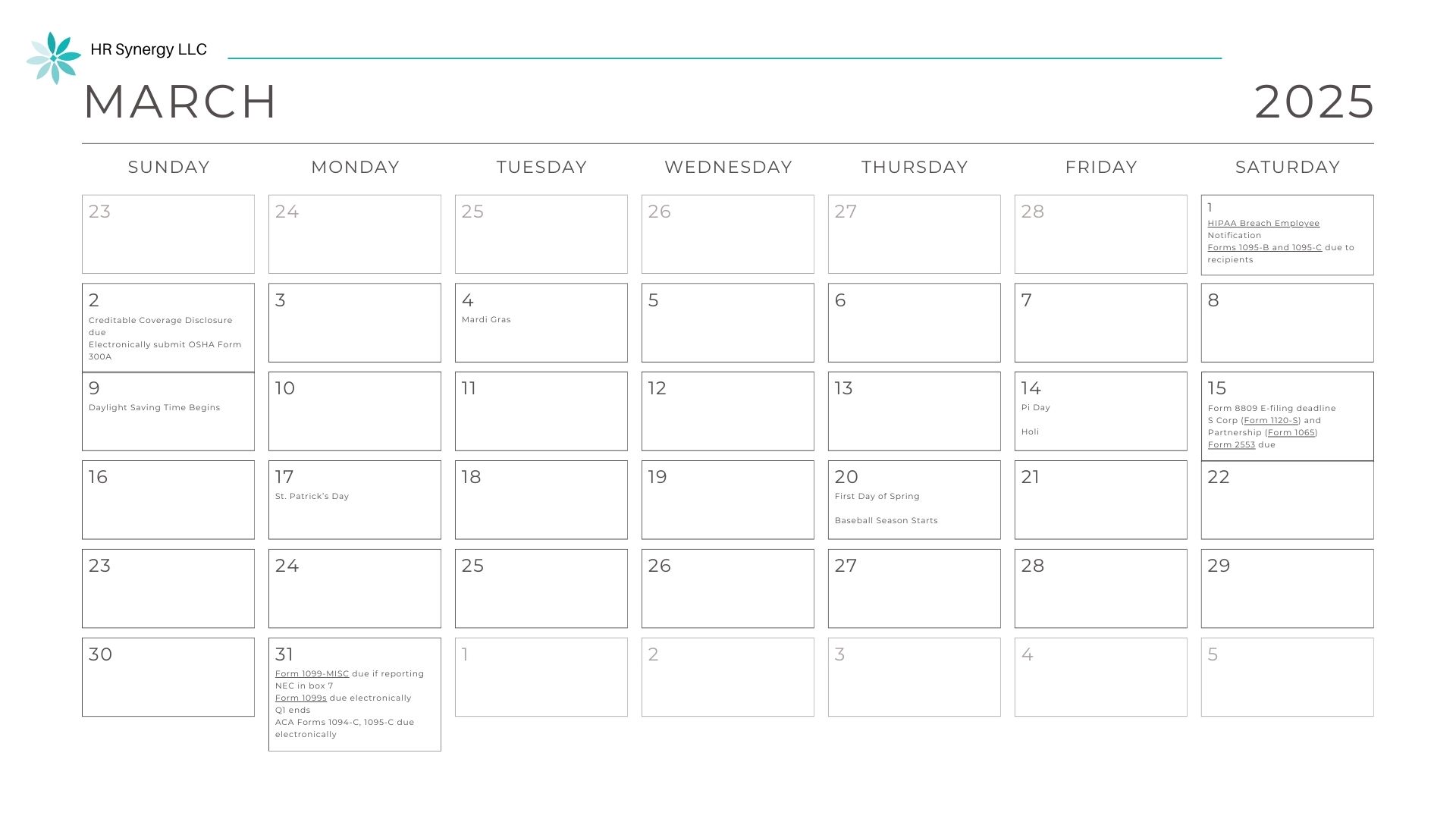 MARCH Calendar
March is National Women’s History and National Ethics Awareness Month.
| March 1 | HIPAA Breach Notification
Forms 1095-B and 1095-C are due to be furnished to recipients |
| March 2 | Creditable Coverage Disclosure due to CMS (Centers for Medicare and Medicaid Services)
Electronically submit OSHA Form 300A |
| March 4 | Mardi Gras |
| March 9 | Daylight Saving Time Begins |
| March 14 | Pi Day |
| March 14 | Holi |
| March 15 | S Corp (Form 1120-S) and Partnership (Form 1065)
Form 8809 E-filing deadline Business Tax Returns due |
| March 17 | St. Patrick’s Day |
| March 19 – April 7 | March Madness |
| March 20 | First Day of Spring/ Baseball Season Starts |
| March 31 | Q1 ends
Form 1099-MISC due if reporting NEC in box 7 Deadline to file Form 1099s electronically Deadline to file ACA Forms 1094-C, 1095-C electronically |